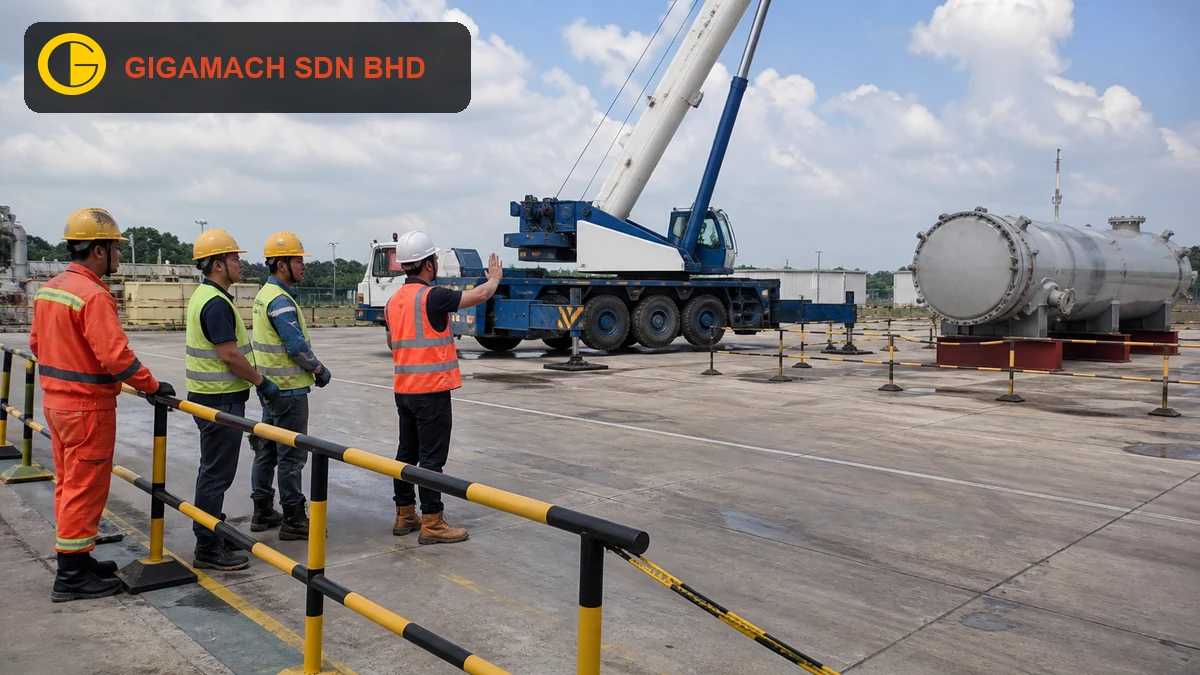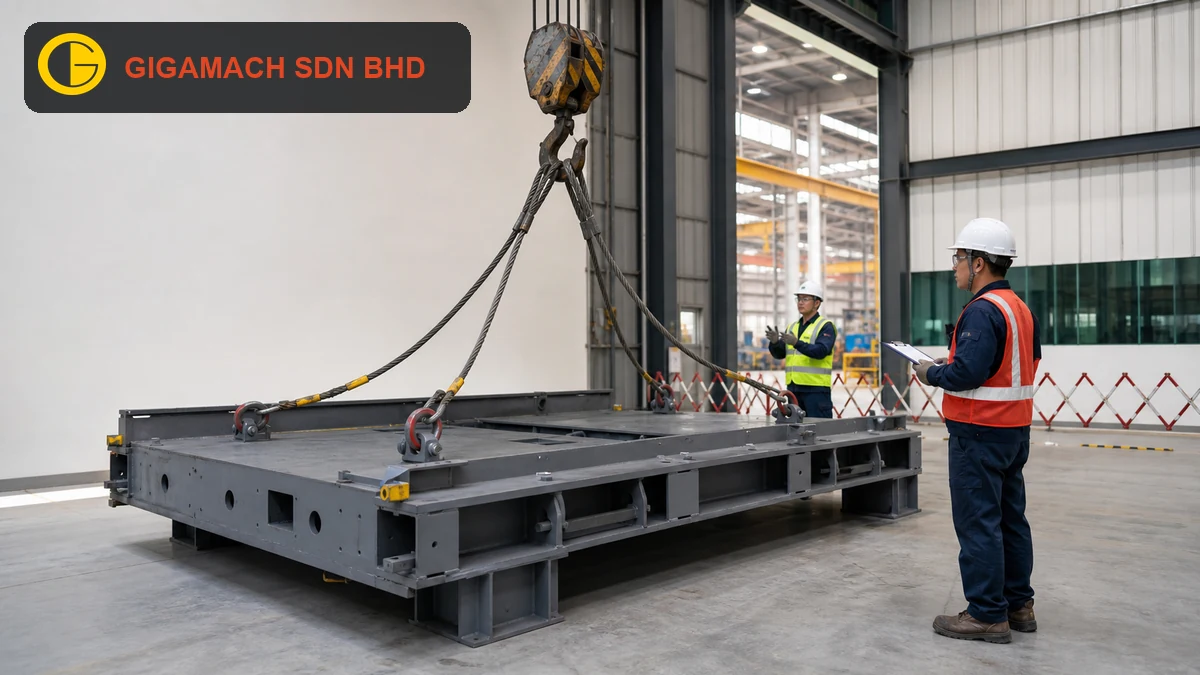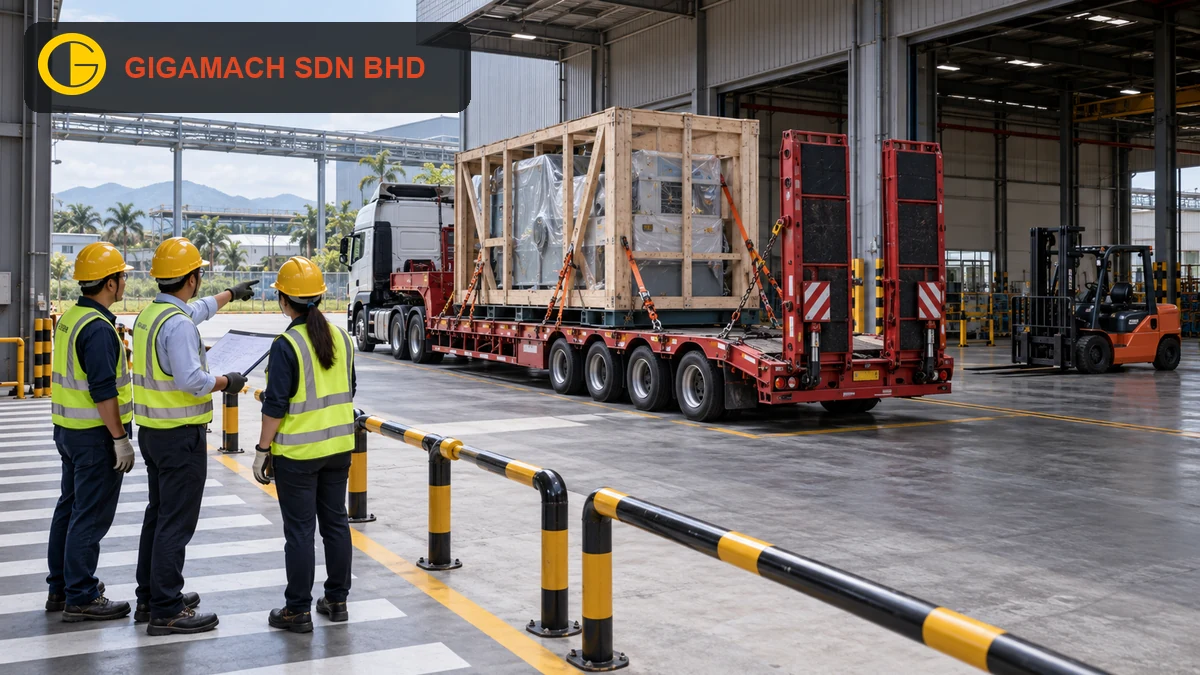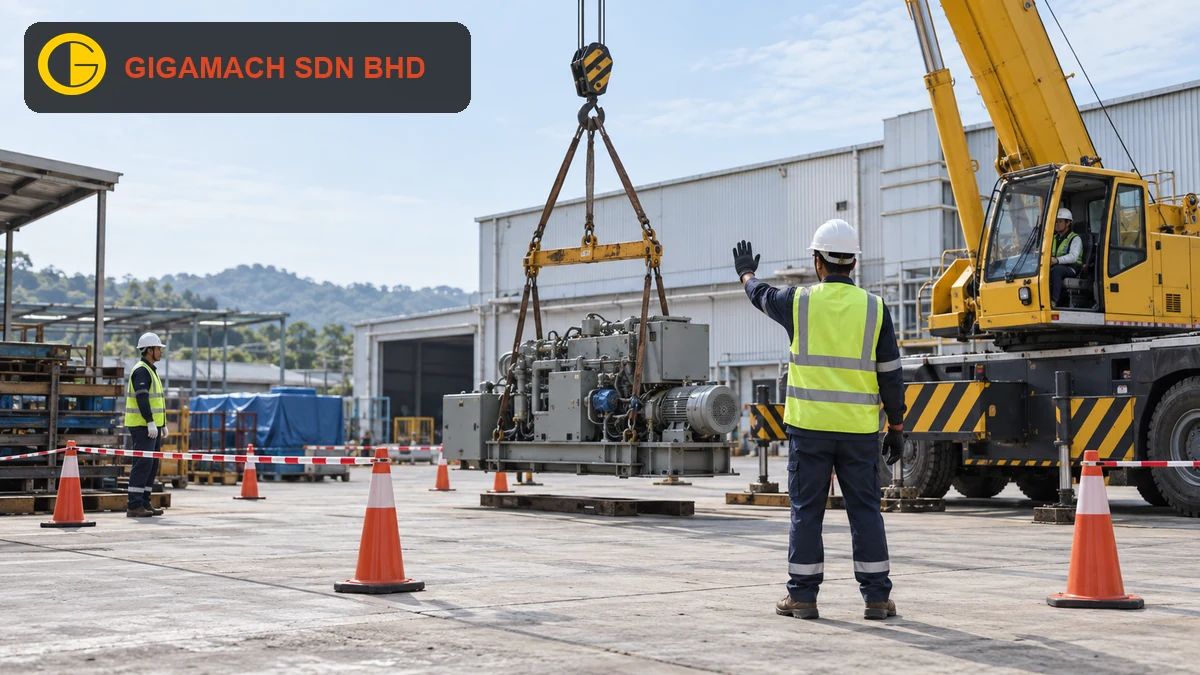
Planning for lifting team coordination requires more than the correct machine or lifting equipment. During a lifting operation, the operator must receive clear and consistent instructions. Conflicting signals, blocked visibility or lost radio contact can turn a controlled movement into an unexpected one.
For industrial teams working in Malaysia, early planning helps identify access, load, ground, personnel, and coordination risks before equipment is mobilised.
Why Signalman communication and controlled stopping during lifting operations matters
When the crane operator relies on a signal person, movement is safe only while the instruction remains clear, agreed, and understood. A visible designated signalman and a reliable backup method help the team stop before confusion becomes unintended load movement.
The work method should be based on verified site and load information. A checklist supports the planning discussion, but it does not replace a task-specific assessment by competent personnel.
Practical pre-work checklist
- Check 1: Designate one signalman for routine movement.
- Check 2: Agree on the hand signals, radio channel and backup method.
- Check 3: Confirm that the signalman remains visible or in reliable contact with the operator.
- Check 4: Brief the emergency stop signal to everyone involved.
Record the important findings during the site survey and brief the same controls to operators, riggers, signalmen, supervisors, and nearby work teams. Stop and reassess whenever the site condition or equipment configuration differs from the plan.
Common mistakes to avoid
- Allowing several people to direct routine crane movement at the same time.
- Starting without checking line of sight, radio clarity, and the agreed signal method.
- Continuing or restarting after communication is interrupted before contact is re-established.
Related planning terms include signalman communication, crane hand signals, rigging team communication. These should be used naturally to describe the actual work scope, not treated as interchangeable services.
Final verification before work starts
Before movement, confirm the designated signalman, agreed hand or voice signals, radio channel, operator visibility, emergency-stop response, exclusion zone, and the point at which the team must stop and re-establish communication.
Agree the signal. Control the move.
Planning support for industrial work
GIGAMACH SDN BHD provides lifting operations and rigging coordination with a practical safety-first approach. Plan the scope early so the equipment, access, lifting method, transport, and final positioning can be coordinated before work begins.